

Diet during pregnancy – what to eat so your baby grows healthy
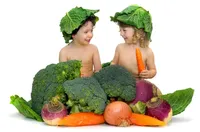
A properly balanced diet during pregnancy helps ensure your baby’s healthy development and optimal nourishment. It can also reduce the risk of birth defects and childhood diseases, help prevent complications such as preterm birth or miscarriage, and improve your own well-being and appearance.
Pregnant women should therefore pay special attention to the quality of their meals so that they include:
- whole-grain products and whole-meal bread;
- milk, yogurt, eggs, and dairy products (unless you are allergic);
- poultry and sea fish;
- legumes;
- vegetables and fruit;
- vegetable oils.
Sweets, animal fats, alcohol, and caffeine should be avoided.
Morning sickness
The name of this condition is somewhat misleading, because only some women experience nausea and vomiting in the morning. For most, it lasts throughout the day and often becomes more intense in the evening. It does not always involve vomiting; very often it is a strong sensitivity to smells (spices, cosmetics, food, the “smell” of public transport), which causes nausea and aversion to eating. Unfortunately, morning sickness can take away much of the joy even from a long-awaited pregnancy. It may also lead to noticeable weight loss in the first months, but this is usually made up for in later trimesters.
- One theory explaining the causes of “morning sickness” links it to low blood glucose levels (hypoglycemia). In such cases, a diet rich in plant proteins, vegetables, fruit, and whole grains is recommended.
- A practical tip is to eat small portions of food containing protein, carbohydrates, and healthy fats, and to start the day with a very light meal.
- Another factor that may contribute to nausea is improper adrenal function and low blood pressure. In such situations, supplementation with vitamin C, B-group vitamins, magnesium, and the use of cod-liver oil or flaxseed oil may be helpful.
- Ginger, added to meals or drinks, can also help relieve nausea.
Vitamins and minerals during pregnancy
Nothing can replace a well-balanced diet during pregnancy; however, it is sometimes advisable to supplement possible nutritional deficiencies with prenatal supplements containing:
- folic acid,
- vitamins B12 and B6,
- iron,
- magnesium,
- calcium,
- zinc,
- vitamins C and E,
- flaxseed oil or cod-liver oil (DHA).
Weight gain during pregnancy
Not so long ago it was believed that a pregnant woman should “eat for two,” whereas today we more often see expectant mothers who are rather slim and carefully follow the principles of healthy eating. So, how much weight should a woman gain during pregnancy?
Energy requirements increase by only about 300 kcal in the first half of pregnancy and by about 500 kcal in the second half. The recommended weight gain also depends on BMI (Body Mass Index = weight [kg] / height [m]²) – the lower the BMI, the greater the recommended weight gain.
- With a low BMI (below 19.8), weight gain should be 12.5–18 kg.
- With a normal BMI (19.8–26), the recommended gain is 11.5–16 kg.
- With a high BMI (26–29), weight gain should be limited to 7–11.5 kg.
- With a very high BMI (above 29), weight gain should not exceed 6 kg.
What should you watch out for during pregnancy?
- Excessive intake of vitamin A may be harmful to the developing fetus in the first trimester; it can cause cardiovascular defects, facial malformations, hydrocephalus or microcephaly, and may even lead to miscarriage.
- Iron deficiency and the resulting anemia can negatively affect both the mother’s health and the baby’s development.
- Deficiency of magnesium and potassium may cause chronic fatigue and weakness, nervousness, severe calf and foot cramps, and can also increase the risk of pregnancy and delivery complications.
Based on:
“Fertility, Cycles and Nutrition. Self-care for improved cycles and fertility… naturally!“ M.M. Shannon, CCL, Cincinnati, Ohio, 2009.