

Evening primrose oil. Toward nature, part I
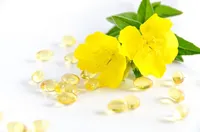
An unassuming little plant with yellow flowers that grows in meadows and along roadsides. From its seeds, a very valuable, yellow-green, cold-pressed oil with versatile uses is obtained. Read how easily it can help even with very troublesome ailments!
Evening primrose is a herbaceous plant native to North America, but it is quite common and occurs in many varieties in Poland. The species most commonly used here for oil production is the biennial evening primrose (Oenothera biennis).
Many years ago, evening primrose was used to treat wounds and skin injuries. Today, research is being conducted on the therapeutic and preventive properties of evening primrose seed oil, among others in the USA by Dr. John K. Chen (PharmD), in Canada, and also in Europe – in Poland by Dr. Monika Stołyhwo-Gofron (MD, bariatric specialist), Dr. Urszula Pytasz (MD, diabetologist), and Dr. Henryk Różański (phytotherapy).
What is so special about evening primrose oil?
Evening primrose oil contains two highly valuable unsaturated fatty acids: linoleic acid (LA) and gamma-linolenic acid (GLA), both belonging to the omega-6 group. They regulate physiological functions in the human body and participate in biochemical processes. It is therefore an exceptionally rich source of vitamin F.
How does evening primrose oil work?
- It has a beneficial effect on the skin: it soothes various skin problems (acne, seborrhea, irritation), supports the management of skin conditions (psoriasis, urticaria, eczema, atopic dermatitis), and is widely used in cosmetics as a moisturizing and rejuvenating ingredient. It can also be helpful for burns and hard‑to‑heal wounds.
- It supports weight loss, regulates metabolism, lowers cholesterol levels, inhibits the growth of fat cells, facilitates detoxification, alleviates intestinal inflammation, abdominal pain and diarrhea, and supports diabetes treatment.
- It is used in cardiovascular and atherosclerotic conditions, helps prevent cholesterol deposits in blood vessels, and is applied in hypertension.
- It is very effective in alleviating anxiety, depressive states, irritability and nervousness, and helps improve mood.
- It is recommended in the therapy of hyperactivity in children, in the treatment of ADHD, concentration disorders and memory support, and has a beneficial effect on the nervous system.
- Long-term use strengthens immunity, alleviates intoxications and has anti-inflammatory properties.
- It helps relieve allergy symptoms. When taken during breastfeeding, it reduces the risk of allergies in infants. GLA is also naturally present in breast milk.
- It has therapeutic effects in rheumatic diseases, regenerates cartilage and connective tissue, and is therefore useful after injuries, trauma and fractures.
- It is very effective in relieving PMS (Premenstrual Syndrome) symptoms and ailments of the premenopausal period.
- It helps with migraines and headaches.
- It is also used in the treatment of asthma and allergic rhinitis.
- It has a beneficial effect on hair and scalp condition, strengthens hair follicles and nails.
- It supports fertility by stimulating estrogen production.
- It is useful in the treatment of prostate enlargement in men.
- It has a positive effect on male potency.
- It helps regenerate liver damage caused, for example, by alcoholism and other chemical intoxications.
- Scientists (Dr. Ruth Lupu, Northwestern University) have also conducted studies confirming that consumption of evening primrose oil can inhibit the growth of aggressive breast cancer.
- It is also said to support anti-alcohol therapy...
The effect of evening primrose oil on the menstrual cycle and female fertility:
- Improvement in the quality and quantity of cervical mucus produced by the cervical crypts (optimizing conditions for sperm survival and transport).
- A beneficial effect on the normalization of hormone levels in the different phases of the cycle.
- Helpful in the treatment of hyperprolactinemia and hypothyroidism.
- Reduction in the intensity of menstrual bleeding and menstrual pain, especially when used together with magnesium.
- Reduction of PMS symptoms (premenstrual syndrome), migraine headaches, irritability, low mood, and breast pain.
- Relief of mastalgia (severe breast tenderness, often accompanied by swelling).
- During premenopause, it reduces hot flashes and headaches and improves hormonal balance.
How to use evening primrose oil?
Evening primrose oil is available in liquid form in dark glass bottles (to be stored in the refrigerator), in soft gel capsules, and as an ingredient in cosmetics. It can be used both internally and externally – for example, massaged directly into the skin, hair, or affected areas, or mixed with your regular cream. A course should last 3 months, followed by a one-month break, and then the treatment can be repeated.
Evening primrose oil should not be used during pregnancy, as it is suspected of causing uterine contractions and potentially inducing premature labor.
It is also important to maintain the proper balance between omega-6 and omega-3 fatty acids in the body. Ideally, the ratio should be close to 1:5–1:2, whereas in a typical Central European diet it ranges from 20:1 to even 40:1. Therefore, omega-3 fatty acids should also be supplemented (they are found in cod liver oil, fatty fish, flaxseed oil, flaxseed, rapeseed, maple and walnut oils, spinach, and other green leafy vegetables).
Remember! An excess of omega-6 fatty acids in relation to omega-3 can lead to a slowed metabolism (weight gain), increased susceptibility to infections, disturbances of the cardiovascular system, a higher tendency toward allergies, and even mood disorders and reduced concentration.
My experiences after a 3-month course of evening primrose oil
- No migraine headaches – I used to suffer from typical migraines unresponsive to standard painkillers, with sensitivity to light and noise and accompanied by nausea. During the 3-month course the migraines disappeared completely, and now (about 6–7 months later) I only experience very mild headaches before my period, which I would hardly even call pain.
- No breast pain – one day I realized that the strong pain I used to have throughout the entire post-ovulatory phase had disappeared after the course (it returned at its usual intensity only about 6 months after stopping the oil).
- No PMS – although I am generally calm, with the drop in progesterone just before menstruation I used to experience PMS type A (anxiety), which was quite unpleasant for those around me. Evening primrose oil significantly improved my well-being – less nervousness and a more pleasant demeanor overall.
- Healed skin allergy symptoms – every year at the same time I struggle with a skin allergy (itchy rash and cracking skin on my hands) that persists throughout the winter. This year I decided to try something other than steroid ointment. I massaged in evening primrose oil three times – and that was enough.
- Shiny, soft hair and nice skin. Highly recommended!