

FAS and how dangerous drinking alcohol during pregnancy can be
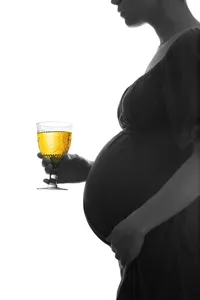
It is well known that a pregnant woman should take special care of her own health as well as the health of the child developing in her womb. According to medical recommendations, she should follow a balanced and nutritious diet, get sufficient rest, avoid stress and exposure to toxic substances, and take only medications that are strictly necessary. However, nearly one-third of pregnant women admit to consuming alcohol during pregnancy.
Is there a “safe dose” of alcohol for a pregnant woman? To date, no medical research has identified a safe level of alcohol consumption during pregnancy, as individual organisms metabolize and tolerate alcohol differently.
How does alcohol affect the fetus?
Alcohol molecules easily pass through the placenta to the developing baby. About 30 minutes after a pregnant woman consumes alcohol, the alcohol concentration in the fetus’s blood can reach levels similar to those in the mother’s bloodstream. Any amount of alcohol is toxic to the fetus and can harm the unborn child. The extent of the damage depends on the amount and frequency of alcohol consumption, as well as the stage of pregnancy. The highest risk occurs during the first trimester, when the most critical stages of embryonic development take place.
Alcohol consumption during pregnancy can lead to:
- increased risk of miscarriage and premature birth,
- stillbirth,
- restricted fetal growth and low birth weight,
- brain damage and functional neurological disorders,
- facial and skeletal abnormalities,
- liver damage, as well as heart and kidney defects,
- visual and hearing impairments,
- hyperactivity and impaired coordination in the child,
- Fetal Alcohol Syndrome (FAS).
What Is FAS?
FAS (Fetal Alcohol Syndrome) is a congenital condition characterized by a combination of physical, neurological, and developmental disorders in children whose mothers consumed alcohol during pregnancy. The diagnosis of FAS is based on the presence of characteristic clinical features, including:
- Growth restriction, manifested by low birth weight, reduced length, and a head circumference that is smaller than expected for the fetus or newborn.
- Central nervous system damage, leading to physical, intellectual, behavioral, and social impairments.
- Distinctive facial and bodily abnormalities, such as: drooping eyelids, small palpebral fissures,epicanthal folds, a short nose, a flat midface, a thin upper lip, a smooth philtrum (the groove between the nose and upper lip), widely spaced eyes, a small jaw (micrognathia), limb deformities and joint abnormalities, congenital defects of internal organs, including genital anomalies and heart defects.
Developmental problems in children with FAS
- Emotional disorders – hyperactivity, ADHD, difficulties in processing large amounts of stimuli, hypersensitivity to sound and touch, sleep disturbances, impulsivity, anxiety, excessive stubbornness, a tendency toward depression, and sudden outbursts of anger.
- Learning difficulties – intellectual disabilities, problems with memory and concentration, impaired abstract thinking, difficulties with planning and organizing activities, deficits in cause-and-effect reasoning, and speech and language disorders.
- Behavioral disorders – difficulties with social adaptation, withdrawal and social isolation, problems with responsibility, self-regulation, and maintaining daily routines.
Please note that for children with FAS (Fetal Alcohol Syndrome) and FAE (Fetal Alcohol Effects), early diagnosis, appropriate treatment, and timely rehabilitation interventions are extremely important.
To date, no research has been able to identify a safe dose of alcohol that does not harm the developing fetus. Therefore, all pregnant women should be advised to completely abstain from alcohol. Moreover, alcohol also negatively affects spermatogenesis – alcohol‑related DNA damage in sperm, including reduced molecular stability, may indicate mutagenic effects. Since sperm maturation takes approximately 70 days, it is equally important for future fathers to refrain from alcohol consumption during this period to ensure the best possible quality of genetic material.
Remember: the harm caused by prenatal alcohol exposure is entirely preventable – simply do not consume alcohol during pregnancy.
Based on:
- Information from Mazovia Centre of Social Policy
- www.fas.edu.pl
- ”Embryology” A.M. H. Bartel, Wydawnictwo Lekarskie, Warsaw, 2010.