

Diet for PMS (Premenstrual Syndrome)
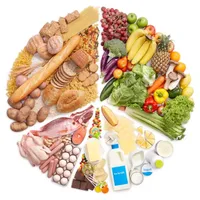
What to eat before menstruation so you don’t transform from Beauty into Beast …
What is PMS?
Premenstrual syndrome (PMS) refers to a wide range of recurring physical and emotional symptoms that typically appear 2 to 7 days before menstruation. Only in rare cases do these symptoms last longer or become particularly severe.
Based on their nature, PMS symptoms can be divided into four main categories:
- Type A (Anxiety) includes nervousness, irritability, anger, emotional tension, and mood swings.
- Type H (Hydration) is characterized by water retention, weight gain, breast tenderness, swelling of the limbs, and abdominal bloating.
- Type C (Cravings) is characterized by strong cravings – especially for sweets and carbohydrates – an increased appetite, and may also include headaches, heart palpitations, chills, fatigue, or drowsiness.
- Type D (Depression) is associated with low mood, depressive symptoms, tearfulness, insomnia, and difficulty concentrating.
Causes of PMS
Research on premenstrual syndrome conducted in 1980 by gynecologist Dr. G. Abraham demonstrated that diet plays a significant role in the postovulatory phase of the menstrual cycle – and not only in managing PMS symptoms, but also in addressing their underlying causes.
Based on these findings, several potential causes of PMS can be identified:
- Luteal dysfunction (Luteal Phase Deficiency) is associated with excessively high estrogen levels and insufficient progesterone levels during the postovulatory phase. It is particularly common in women experiencing Type A PMS symptoms. Dr. Abraham recommended: supplementation with B-complex vitamins, a high-fiber diet to help reduce excess estrogen, avoidance of animal fats, vitamin C supplementation to support corpus luteum function, and supplementation with vitamin B6, magnesium, and zinc to help regulate excessive prolactin secretion.
- Abnormal fluid retention (Type H PMS) is strongly associated with elevated aldosterone levels, a hormone secreted by the adrenal glands. Aldosterone promotes sodium and water retention by the kidneys, and its excessive secretion during the postovulatory phase increases magnesium loss. In this case, it is recommended to reduce the intake of dairy products and sugar, and increase the consumption of green vegetables and whole grains.
- Hypoglycemia (Type C PMS) is linked to excessive intake of sugars and refined carbohydrates, which stimulate insulin secretion and subsequently lead to drops in blood glucose levels. This results in symptoms characteristic of Type C PMS. Insulin secretion is regulated by prostaglandin E1, derived from linoleic acid found in many vegetable oils. To support optimal insulin regulation, supplementation with magnesium, vitamins B3, B6, and C, as well as zinc, is recommended.
PMS‑relief diet in brief
- A high intake of vegetables, especially green ones.
- Whole‑grain products, legumes, fish, and poultry.
- Essential unsaturated fatty acids found in olive oil, sunflower oil, and flaxseed oil.
- Moderate consumption of dairy products.
- Limited consumption of red meat.
- Avoid refined sugar, trans fats, excess salt, alcohol, and excessive caffeine.
- Supplementation with magnesium, zinc, B vitamins, and vitamin C.
Other ways to cope with PMS
- Physical activity, especially outdoors, helps reduce stress, improves mood, and has a positive effect on sleep quality.
- Maintaining a healthy and appropriate body weight supports the normalization of estrogen levels and can therefore help prevent PMS symptoms.
- "Managing stress" becomes easier when you ensure optimal nutrition and regular physical activity.
- Getting enough sleep, especially in a properly darkened room, has a beneficial effect on progesterone levels and is an invaluable ally in coping with stress.
- Keeping a fertility Cycle Card can help you assess your hormonal balance, notice irregularities, predict upcoming PMS symptoms, and prevent them by applying the guidelines mentioned above.
Based on:
”Fertility, cycles and nutrition – self-care for improved cycles and fertility…naturally!”, M.A. Marilyn M. Shannon, CCL International, Inc. Cincinnati, Ohio, 2009.
”Nutrition factors in the etiology of the premenstrual tension syndromes”, G. Abraham, ”The Journal of the Reproductive Medicine”, 28:446-464, 1983.
”Role of nutricion in managing the premenstrual tension symdromes”, G. Abraham, R. Rumley, ”The Journal of the Reproductive magazine” 32:405-422, 1987.